 Join Our Team

Target Muscle Pain at the Source
Integrative Dry Needling has tremendous potential to help patients with pain management, enhance flexibility and accelerated healing.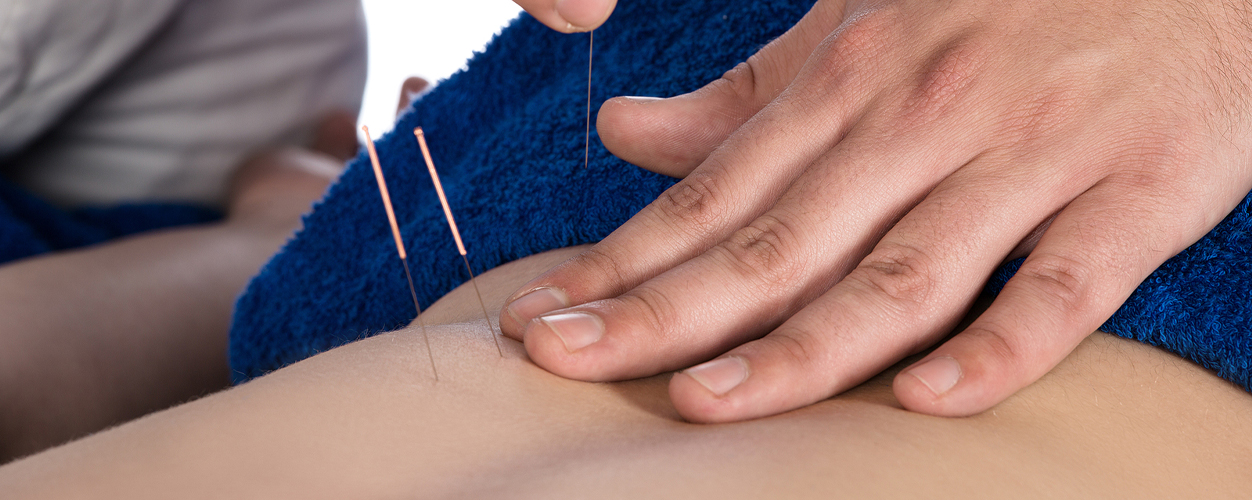
Delivering Targeted Pain Management
Integrated Rehab has been a leader in dry needling throughout Connecticut, with more than 20 therapists certified in Integrative Dry Needling providing treatment across our clinics.
Dry needling works by stimulating trigger points within tight or irritated muscles. This response may help improve circulation, reduce muscle tension and support the body’s natural healing process.
Release Tight Muscles & Tension
What Is Dry Needling?
Dry needling is a pain management technique in which a filiform needle is inserted into a myofascial trigger point, commonly referred to as a muscle knot. The needle creates a controlled therapeutic response within the muscle, encouraging it to relax and function more normally.
As muscle tension decreases, many patients experience less pain, improved mobility and greater ease with everyday movement.
How Does Dry Needling Work?
Dry needling helps increase blood flow to tight or irritated muscles while stimulating the body’s natural healing response. As the muscle relaxes, circulation can improve, allowing oxygen and nutrients to reach the area more effectively.
When is Dry Needling Recommended?
Dry needling is often recommended when muscle tension, trigger points or movement restrictions are contributing to pain. It can be particularly helpful when combined with exercise, stretching, manual therapy and other physical therapy treatments.
What Can You Expect During Dry Needling?
We’ll begin your appointment by locating trigger points near painful, tense and restricted areas. Your therapist will then insert needles into or near the trigger points, which may cause the muscle to contract or twitch. The needles remain inserted for 30 seconds up to 30 minutes, and light stretching or massage may follow.
Many patients begin noticing improvement within a few sessions, although the total number of visits varies based on the condition being treated and its severity.
Which Conditions Does Dry Needling Treat?
Dry needling can be used throughout the body and may help address a variety of musculoskeletal conditions, including:
- Tendonitis
- Neck and back problems
- Torn ligaments
- Muscle spasms
- Decreased motion
- Swelling
- Joint issues
- Disc and spinal issues
- Migraines and headaches
- TMJ
- Repetitive motion injuries
- Whiplash
- Muscle cramping
- Phantom limbs
- Neuralgia
This therapy may be administered on patients as young as 8 years old and is appropriate for both men and women.
Is Dry Needling Safe?
Dry needling is considered safe when performed by a trained and certified clinician. Most patients experience only mild soreness, bruising or muscle fatigue following treatment. Before recommending dry needling, your therapist will review your medical history to determine whether it is appropriate for your condition and health status.
Frequently Asked Questions About Dry Needling
Q: What Does Dry Needling Actually Do?
A: Dry needling is designed to release tight muscles, improve circulation and reduce pain caused by trigger points. As a physical therapy treatment, it can complement exercise and other therapies to improve mobility and control chronic pain without medication.
Q: What’s the Difference Between Acupuncture and Dry Needling?
A: Acupuncture is a technique rooted in traditional Chinese medicine that focuses on directing energy flow to treat pain, insomnia, stress and other concerns. Needles are superficially inserted along the body’s network of meridians.
Dry needling is an evidence-based Western medicine technique prescribed to address musculoskeletal pain and movement concerns. Practitioners directly target myofascial trigger points, often inserting the needles at a greater depth to stimulate muscle spasms.
Q: What Happens After a Dry Needling Procedure?
A: After removing the needles, your therapist will examine your skin and ask about your symptoms. Patients who report feeling dizzy or nauseous may be asked to rest before leaving. At home, mild bruising and muscle soreness are normal, typically resolving within 24 hours to one week. Many find that hydration and light movement help accelerate healing.
Q: How Long Do Dry Needling Benefits Last?
A: Results vary by patient, condition and activity level. Many people experience relief for days or weeks, particularly when dry needling is combined with exercise and other physical therapy treatments.
Q: Is Dry Needling Painful?
A: Responses to dry needling range from little to no pain to moderate discomfort from muscle cramping and twitching. During treatment, a slight prick may be felt during the needle insertion while afterward, targeted areas may experience brief soreness or achiness.
Q: How Many Times Do You Need Dry Needling?
A: Your treatment plan will be based on the intensity of your concern. Physical therapists generally schedule four to 12 sessions over four to six weeks, with appointments held at least 48 hours apart. After your initial round, maintenance treatments every three to four weeks help keep muscle tension and restriction under control.
Q: How Should You Prepare for Your Appointment?
A: During your first appointment, your therapist will perform a physical exam and review your medical history. Arrive in comfortable, loose clothing that allows access to all areas being treated.
Q: Who Shouldn’t Get Dry Needling Treatments?
A: Dry needling treatments are not recommended for people who are pregnant, recently had surgery, are on blood thinners, have a compromised immune system or are afraid of needles.
Ready to Find Relief from Muscle Pain and Tension?
Contact Integrated Rehab today for a personalized dry needling consultation. Our experts are here to help you move better, feel stronger and enjoy life without limitations!