 Join Our Team

Personalized Care for Living Your Best Life
Occupational therapists help patients build independence and confidence through a tailored combination of exercise, adaptive strategies and skill development.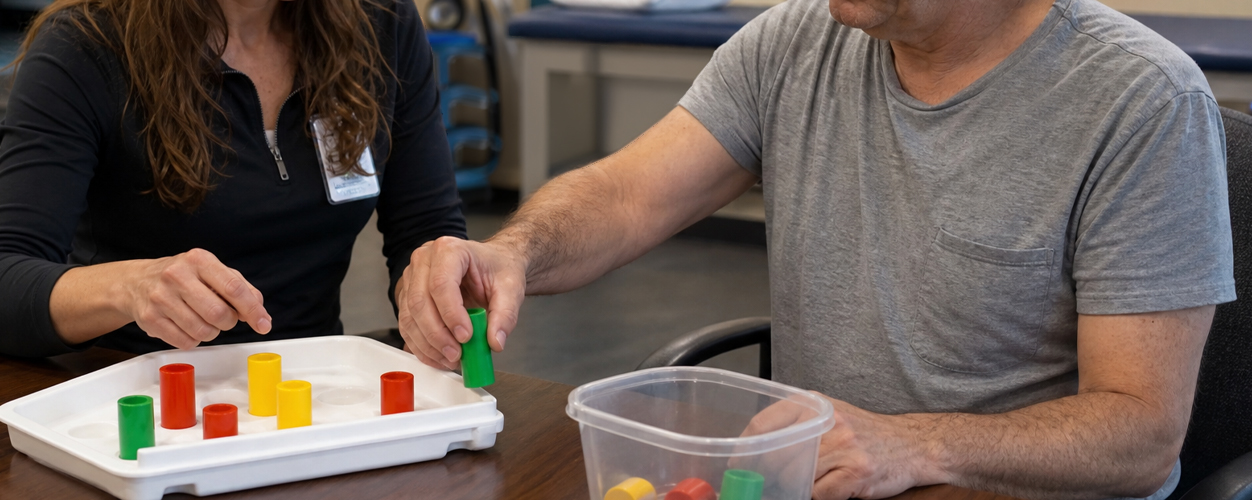
Improving Function & Wellbeing
From injuries to age-related changes, occupational therapy focuses on improving how we function in everyday life: taking care of ourselves, getting around safely, working, participating in favorite activities and more.
At Integrated Rehab, our goal is to help you thrive on your terms. Working with an occupational therapist, you’ll practice everyday tasks and learn strategies that support independence while reducing the risk of reinjury or functional decline.
Learn more about the benefits of occupational therapy and what to expect during an appointment.
Enhancing Everyday Living
What Is Occupational Therapy?
Occupational therapy uses evidence-based strategies to encourage self-sufficiency at any age. Following an assessment, a care plan will be designed to strengthen how you perform certain tasks, helping you regain function or adapt with proven tools and technologies.
While often prescribed alongside physical therapy, occupational therapy considers all the ways we interact with the world. In many cases, patients also learn strategies for managing the social and emotional challenges that can affect recovery and independence.
What Do Occupational Therapists Do?
Occupational therapists help patients address day-to-day challenges by:
- Introducing adaptations that make everyday tasks more manageable
- Correcting movements or habits that affect patient performance
- Supporting healing and function with orthotics and assistive technologies
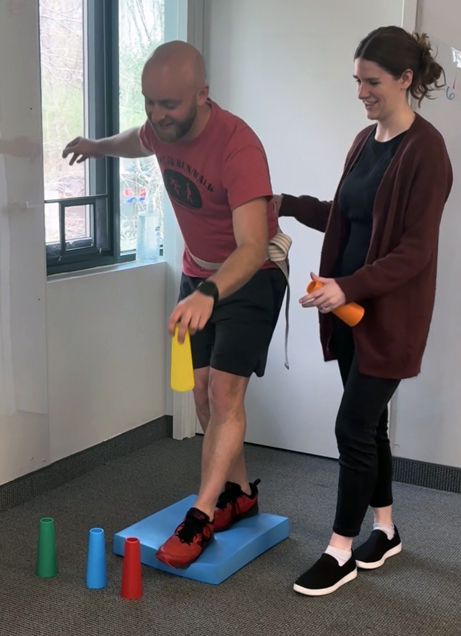
- Assisting patients in navigating their home, workplace, school or community more safely and confidently
When Is Occupational Therapy Needed?
Occupational therapy provides personalized strategies and tools to help patients manage:
- Injury recovery
- Chronic conditions
- Disabilities
- Activities of daily living
- Neurological and cognitive impairments
- Executive dysfunction
- Age-related changes
- Mobility changes
- Developmental delays
Your doctor may recommend occupational therapy if you or a loved one has trouble:
- Completing schoolwork or job-related tasks
- Meeting developmental milestones
- Dressing, cooking and doing household chores
- Participating in a hobby or favorite activity
- Moving about your home and community
- Managing chronic health conditions
- Adapting to a recent lifestyle change
Which Conditions Does Occupational Therapy Treat?
Occupational therapy supports treatment for:
- Stroke recovery
- Traumatic brain injuries
- Dementia and Alzheimer’s disease
- Parkinson’s disease
- Arthritis
- Fine motor skills development
- Overuse injuries
- Anxiety and stress
- Fractures
- Burns
- Carpal tunnel syndrome
- Amputation
- Spinal cord injuries
- Hand and arm injuries
- Multiple sclerosis
- Cerebral palsy
- Spinal bifida
- Cancer
- Down syndrome
- Autism spectrum disorder
- Joint replacement
- Abdominal surgery
- Depression
How Is Occupational Therapy Different from Physical Therapy?
While occupational therapy (OT) and physical therapy (PT) often work together to improve function and quality of life, they focus on different aspects of recovery and independence. Physical therapy primarily helps patients improve strength, mobility, balance and overall movement.
Occupational therapy focuses on helping patients perform everyday activities more safely and effectively, whether that means getting dressed, preparing meals, returning to work, participating in school or engaging in hobbies.
What Should I Expect During Occupational Therapy?
Your occupational therapist develops and adjusts your care with:
- Assessments: Your therapist will evaluate the skills needed for specific activities, such as gripping objects, preparing meals, writing, dressing or completing work-related tasks.
- Interventions: Your therapist will introduce exercises, adaptive techniques or tools designed to make daily activities safer, easier and more manageable.
- Evaluation: As your confidence and abilities grow, your plan will establish new goals, accompanied by more challenging exercises.
Frequently Asked Questions About Occupational Therapy
Q: What Is the Difference Between Physical Therapy and Occupational Therapy?
A: Physical therapists focus on restoring movement and physical function, prescribing active and passive therapies to support a patient’s progress. Occupational therapists design treatment plans to reintroduce, re-enforce or adapt tasks to a range of challenges that occur along the lifespan, from childhood disability to work injuries, stroke recovery and mobility changes due to age.
Q: Is Occupational Therapy Worth It?
A: Occupational therapy can be the start of a more functional and manageable life, leading to better school performance, more productive days and greater engagement with your surroundings. Learning a new technique or adaptive strategy can take practice, but most patients become more comfortable and confident as they gain experience.
Q: What Can Occupational Therapy Do for You?
A: At its core, occupational therapy is about improving how you live your life. Treatments are personalized to a broad range of challenges, such as:
- Bathing and dressing
- Cooking and feeding yourself
- Organizing your time
- Completing job-related responsibilities
- Socializing and communicating
- Participating in school
- Engaging in a hobby or leisure activity
- Improving memory and focus
- Making your home more accessible
- Reducing fall risks
- Learning to use prosthetics or adaptive technologies
Q: Can Occupational Therapy Help with Self-Esteem?
A: As everyday tasks become easier to manage, many patients experience greater confidence and independence. You might find that previously difficult tasks are more doable, your environment seems more open and secure, and you feel more in control.
Q: Can Occupational Therapy Help with Nerve Damage?
A: During occupational therapy sessions, patients with nerve damage learn to identify and compensate for changes in sensation and motor skills. Your therapist’s plan may include modifications for dressing, cooking and work-related tasks, promote healing with orthotics and manual therapies, and equip you to manage pain, numbness and sores with minimal assistance.
Start Living More Independently Today!
Contact Integrated Rehab today for your personalized occupational therapy consultation. Our experts are here to help you move better, feel stronger and enjoy life without limitations.