 Join Our Team


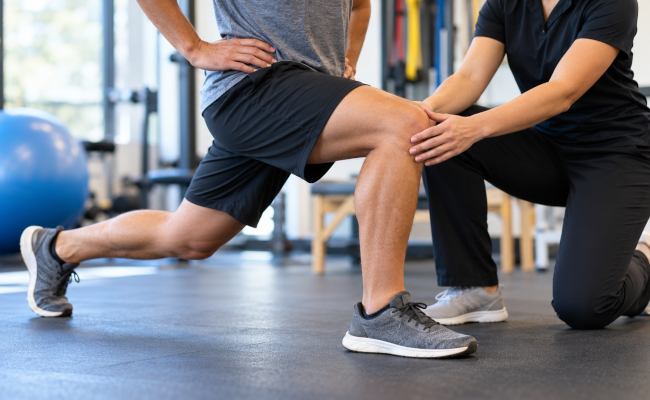
Returning to an intensive training regimen after spending weeks or months recovering from an injury can be challenging.
On one hand, you can’t wait to get back to the field, court or to lift a set of weights. On the other, there may be some trepidation surrounding not injuring yourself again.
You also need to consider muscle weakness and the loss of strength that may have developed during recovery. Jumping back in without progressively working up to your former activity level could lead to another sidelining injury, like a muscle tear, strain or shoulder impingement, that could set you back further.
A physical therapist can guide your return by helping you strengthen key muscle groups, gradually increase your activity level and reduce your risk of future injuries. These sessions also allow you to benefit from muscle-supporting therapies like blood flow restriction (BFR). Here’s what we recommend.
How Can Your Care Team Help You Return to Sports After an Injury?
Avoid following a one-size-fits-all approach as you resume training. Injuries are unique to each athlete or fitness enthusiast. A successful comeback involves dynamic movements while focusing on the body’s current weaknesses.
A physical therapist’s recommendations will simultaneously target both concerns through a customized recovery plan that may include:
- Muscle-specific and activity-specific strength training
- Progressive overload and high-load resistance training
- Blood flow restriction therapy
- Passive and manual therapies
- Pain management
- Realistic, manageable weekly training goals
Understand why it’s important to see a physical therapist and the exercises that may shape your recovery.
How Can You Gradually Return to Exercise After an Injury?
Going too far, too fast can compromise your muscles and ligaments, potentially leading to an injury recurrence or additional damage.
To reduce this risk, physical therapists may recommend progressive overload training, which gradually increases the demands placed on your body as your strength and endurance improve. You’ll start small, often with a light amount of weight placed on the affected area or by performing a controlled number of reps each day.
As your physical therapist assesses your body’s capabilities, you’ll gradually push yourself by taking on more pounds or extending your routine by a couple of minutes. While treatment plans vary by patient, progressive overload might look like:
- Gradually increasing your weight or workout duration based on your recovery progress and tolerance.
- Incorporating exercises that support recovery and proper form.
- Calculating your return. For every week off, spend two weeks easing back into your routine.
- Strengthening weaker muscle groups and avoiding compensating movements.
Why Is Strength Training Important After an Injury?
Building strength can help reduce your risk of injury, regardless of your sport or activity. After a period of recovery, strengthening weakened muscles can also help address imbalances and reduce the likelihood of overcompensation.
Your physical therapist may guide you toward exercises that gradually and gently increase muscle mass, including:
- Resistance-band workouts
- Light weightlifting
- Weightlifting with a cable machine
- Balance and coordination exercises
- Bodyweight exercises
- Flexibility and range of motion exercises
- Dynamic stretching
Learn more about strength and conditioning for athletes.
How Can Blood Flow Restriction (BFR) Training Support Recovery?
BFR temporarily restricts blood flow to encourage muscle growth and build strength without placing excessive force on the affected area.
This therapy mimics the effects of heavy lifting, producing a low-oxygen environment that challenges the body to work harder. In the process, the body thinks it’s lifting 20% to 30% more and synthesizes growth proteins and hormones at a similar rate.
These conditions may help patients rebuild strength while placing less stress on the recovering area. Regular BFR therapy can result in 10% muscle gains over two weeks and reduce healing time by a quarter, while the patient continues to lift weights that support their recovery.
BFR therapy tends to benefit patients:
- Recovering from surgery or an acute injury
- Living with a chronic condition
- Recovering from knee and lower-body surgeries
- Managing muscle weakness from temporary immobility
- Wanting to avoid overuse injuries
- Recovering from rotator cuff and shoulder injuries
For optimal results, your care plan may pair BFR therapy with a low-impact exercise regimen.
How Can Proper Form Help Prevent Re-Injury?
Rolling shoulders forward, not watching your feet, or twisting too far coupled with weight or repetitive motion is a recipe for a strain, tear or overuse injury.
During your sessions, your physical therapist will assess your posture, core strength and movement patterns. They’ll also help you practice proper techniques that engage the right muscle groups and reduce unnecessary strain.
You can then apply these techniques to your training routine while learning when to rest rather than push through pain.
When Should You Stop Exercising After an Injury?
If a “no pain, no gain” approach aggravated your injury, it’s important to have a new mindset:
- Slow down or call it a day when you feel pain.
- Hold off on training until the pain goes away.
- Adapt your regimen. Persistent pain means you’ve pushed too hard and need to cut back.
- Track your symptoms and regimen to determine which routines affect your body.
Frequently Asked Questions About Returning to Sports After an Injury
- How Do You Know When You’re Ready to Return to Sports After an Injury?
Returning to sports involves more than waiting for pain to disappear. Your physical therapist can assess your strength, mobility, balance and ability to perform sport-specific movements. They’ll also consider your symptoms and recovery progress to help determine when you’re ready to safely resume training or competition.
- How Long Should You Wait Before Exercising After an Injury?
The timeline depends on the type and severity of your injury, your overall health and the demands of your activity. Some injuries allow for modified exercise relatively early in recovery, while others require more time. A physical therapist can help you establish a gradual return-to-exercise plan based on your progress.
- Can You Return to Sports If You Still Have Some Pain?
Not all discomfort means you need to stop exercising, but persistent or worsening pain shouldn’t be ignored. Your physical therapist can help distinguish between expected exercise-related soreness and symptoms that may indicate you’re placing too much stress on the injured area. Adjusting your activity level may be necessary as you recover.
- How Can You Prevent Re-Injury When Returning to Exercise?
While no approach can eliminate the risk of injury, gradually increasing training intensity, rebuilding strength and practicing proper movement techniques can help reduce that risk. Allowing adequate recovery time and addressing muscle imbalances are also important. Physical therapy can help you develop a personalized plan that supports a safer return to activity.
- What Happens If You Return to Sports Too Soon After an Injury?
Returning before your body is ready can increase the risk of re-injury, prolonged pain or compensating movements that place additional stress on other muscles and joints. Following a structured rehabilitation plan can help you rebuild strength, restore movement and return to your sport with greater confidence.
How Can Integrated Rehab Help You Return to Your Sport?
Our customized, patient-centered approach can help you recuperate and make your training routine more beneficial. Contact us to schedule your first appointment!